Packaging consulting
A successful reusable packaging program starts with the right packaging. We work with your team to design the packaging solution and process that fits your product, volumes, and supply chain.
Program overview
PVpallet’s packaging consulting team works with your organization to choose the right packaging and integrate it into your operation. We start by looking at your product, how it moves through your supply chain, and where damage, cost, or inefficiency occurs. From there, we recommend a packaging solution and then help your team with as much (or as little) of the rollout as you need — from recommendations to full-scale implementation.
BENEFITS: identify opportunities to replace disposable packaging, reduce total cost of ownership, design scalable reusable packaging systems, support sustainability and ESG initiatives, cut damage and disposal costs, reduce container loss during rollout
FEATURES: needs assessment of current packaging and priority product lines, solution match across off-the-shelf and custom options, workflow review of how packaging moves through your operation, implementation support, program handoff
Our consulting process
Every engagement is scoped to your operation, but most projects move through four phases:
Phase 1: Needs Assessment
We start with a packaging audit to review current materials, damage rates, replacement frequency, and disposal costs. From there, we identify a priority product line where reusable packaging offers the biggest return.
Phase 2: Solution Match
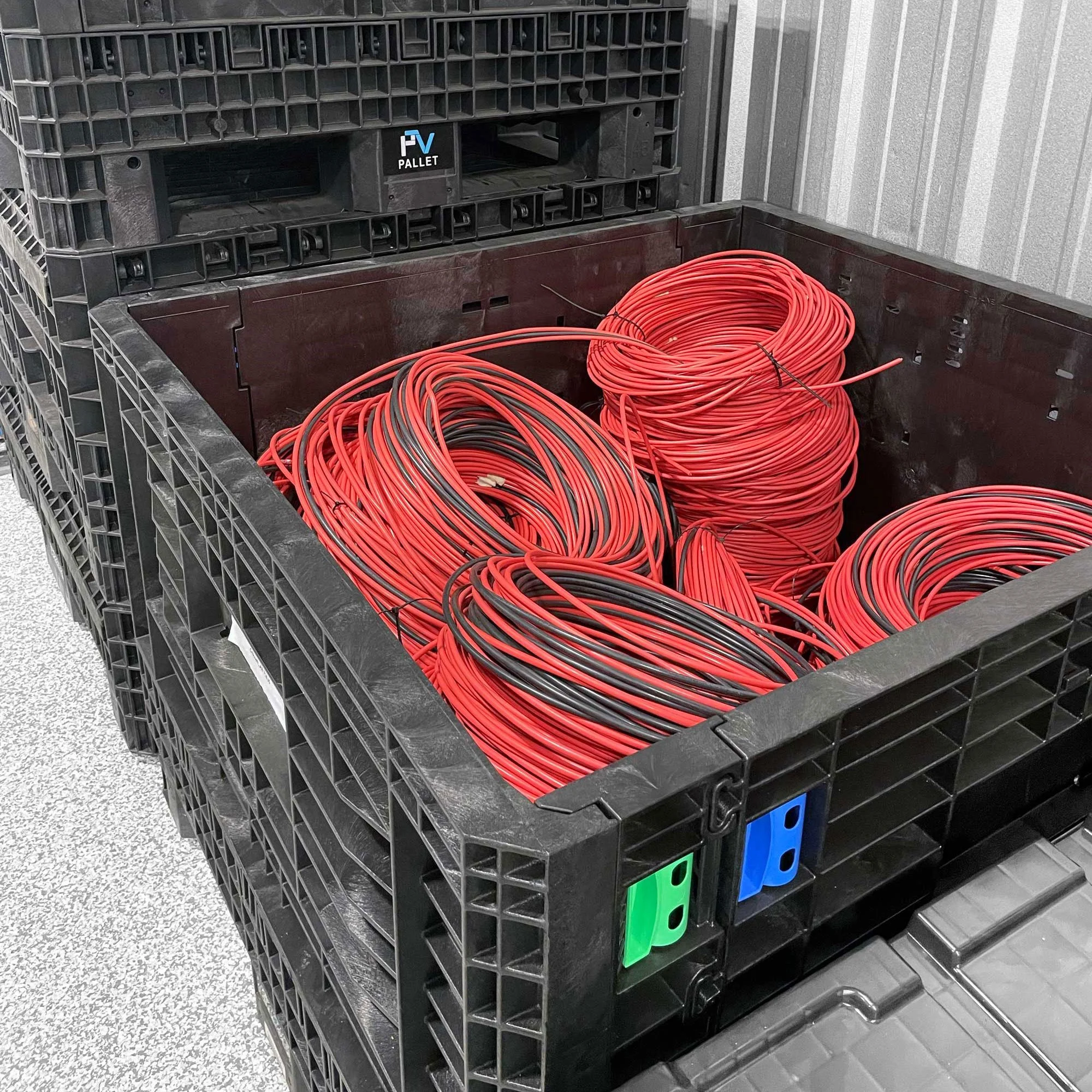
We match your product, volumes, and industry requirements to the right packaging type. Whether it’s a pallet, bulk container, dunnage, or something custom, we will find the best solution for your product and supply chain.
Phase 3: Implementation
We map how your packaging needs to move through your operation, from storage and handling to tracking and return logistics. Prior to full-scale implementation, we typically start with a closed-loop trial on one product line.
Phase 4: Rollout & Handoff
After a successful trial, it’s time to implement reusable packaging across your supply chain. Full-scale implementation requires careful planning and coordination to ensure a smooth transition.
Packaging evaluation
Every recommendation starts with the specifics of your operation.
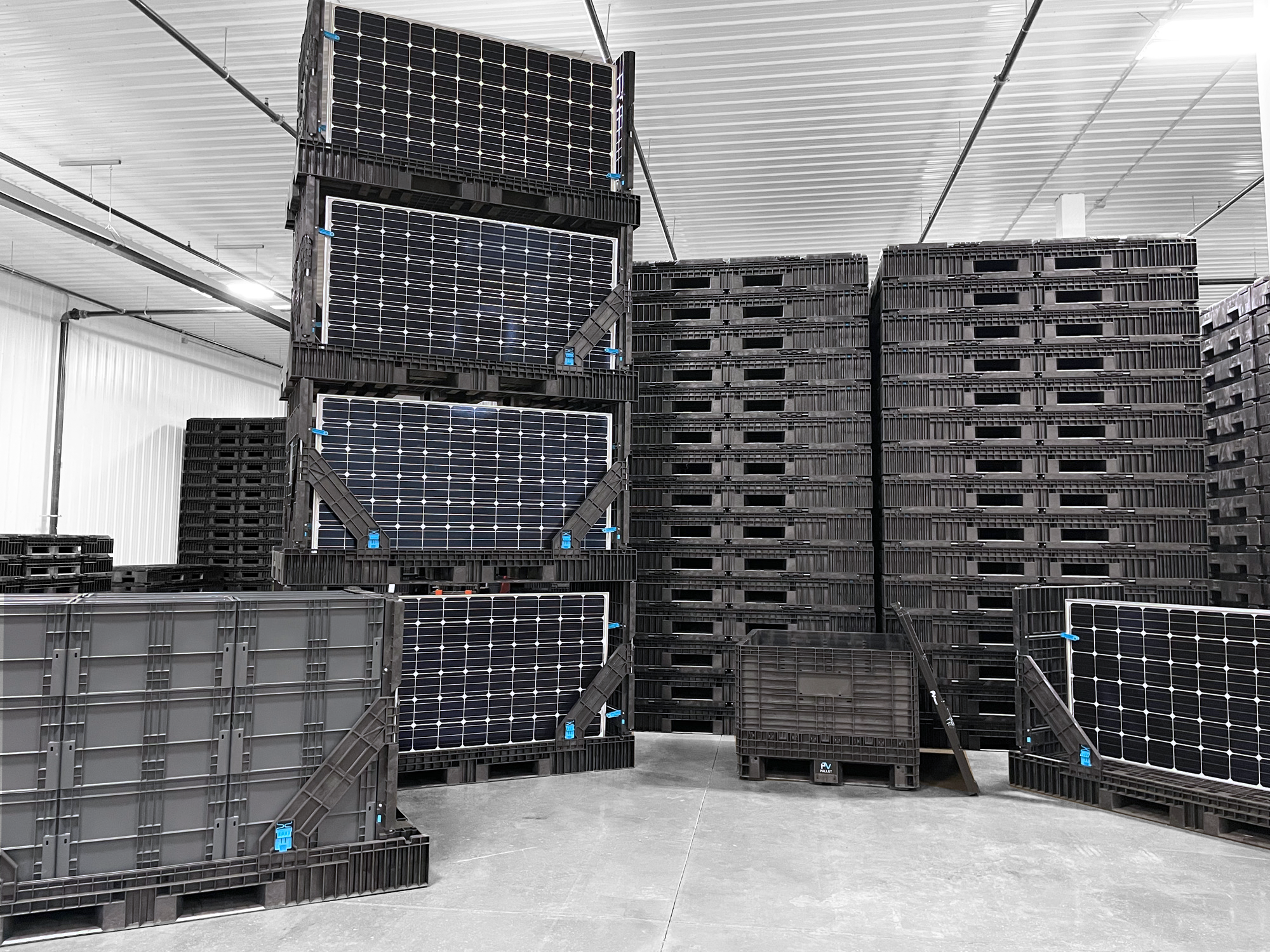
Product type — Solar panels, trackers, and BOS components each present different handling challenges: modules need protection from glass breakage and microcracking, trackers involve bulkier components like torque tubes and motors, and BOS components often include sensitive electronics and connectors.
Size and configuration — Module dimensions vary by manufacturer, so packaging needs to be sized to your specific panels. And nestable, rackable, stackable, or collapsible designs matter for how you store and return empties.
Load, material, and UV resistance — Packaging often sits outdoors at the job site for extended periods, so UV resistance and material choice (HDPE for durability and chemical resistance, polypropylene for impact resistance) matter alongside static, dynamic, racking, and stack load requirements.
Handling and storage fit — Compatibility with the equipment actually available on site, from forklifts and cranes at ground-mount and utility-scale projects to more limited handling at rooftop or remote installations.
Implementation consulting
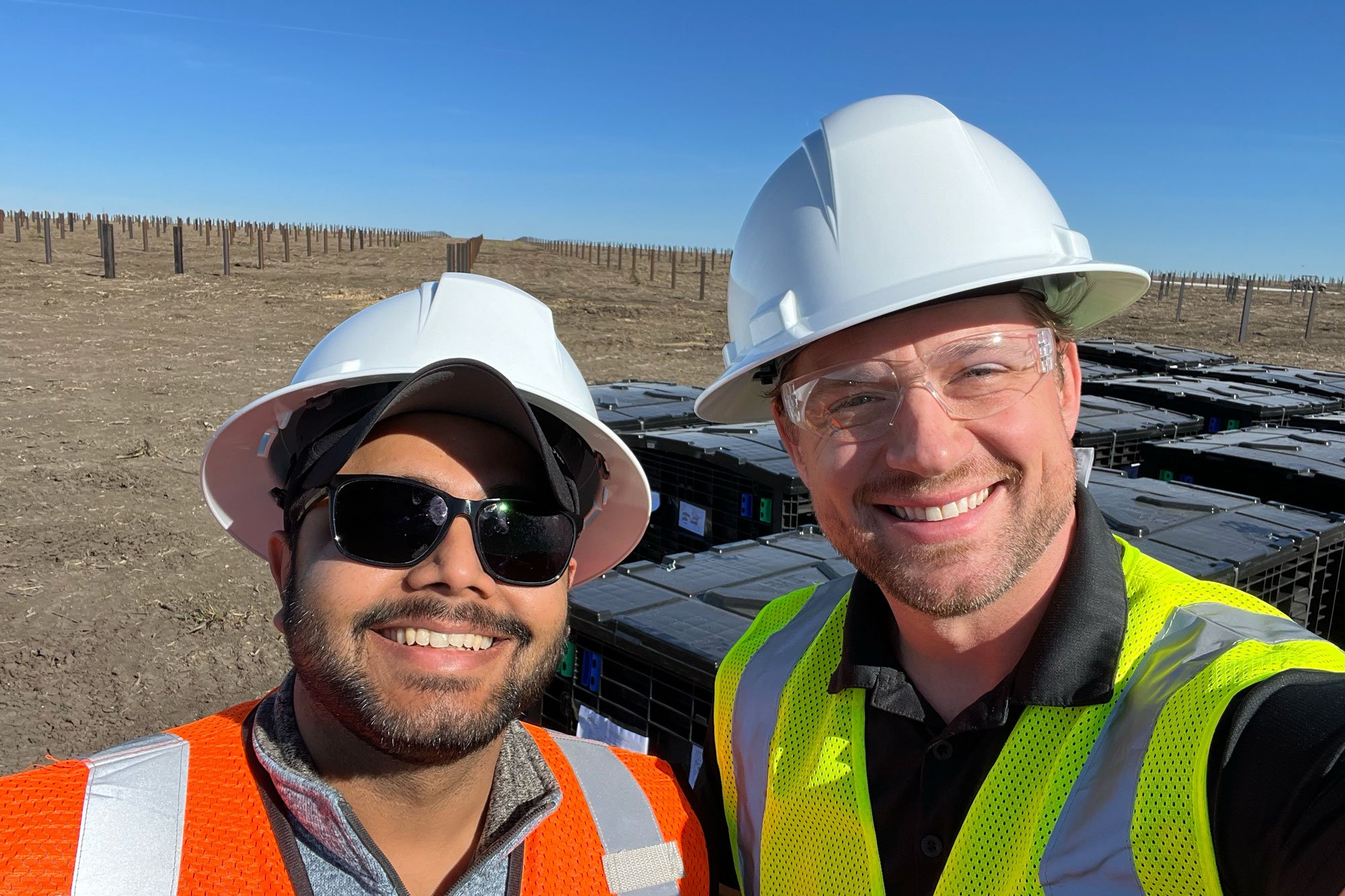
Once you have the right packaging in place, our team works with you to integrate it into your supply chain. Implementation typically goes through the following steps:
Closed-loop trial — We typically start with a single product line or location, with clear metrics in place, before scaling.
Tracking — Untracked reusable packaging is easy to lose in the shuffle, so we build barcode, RFID, or a simple manual process into the plan from the start.
Performance monitoring — Throughout the trial we track cost savings, waste reduction, and loss rates to confirm the system is working before expanding.
Full-scale rollout — Once the trial proves out, we expand across additional product lines and locations, with tracking carried through at scale.
Ready to find the right packaging solution for your operation?
Packaging consulting is commonly used by teams managing complex or multi-project supply chains — evaluating current packaging, damage rates, logistics processes, and disposal costs before committing to a program. It stands on its own: many customers just need the right packaging recommendation and handle everything else themselves. For others, it can lead into a full PVloop reverse logistics program down the line.
Related services
Reverse logistics
Once you've settled on the right packaging, PVloop keeps it moving with onsite material handling, coordinated transportation, and cleaning and repair — cycle after cycle.
Custom packaging
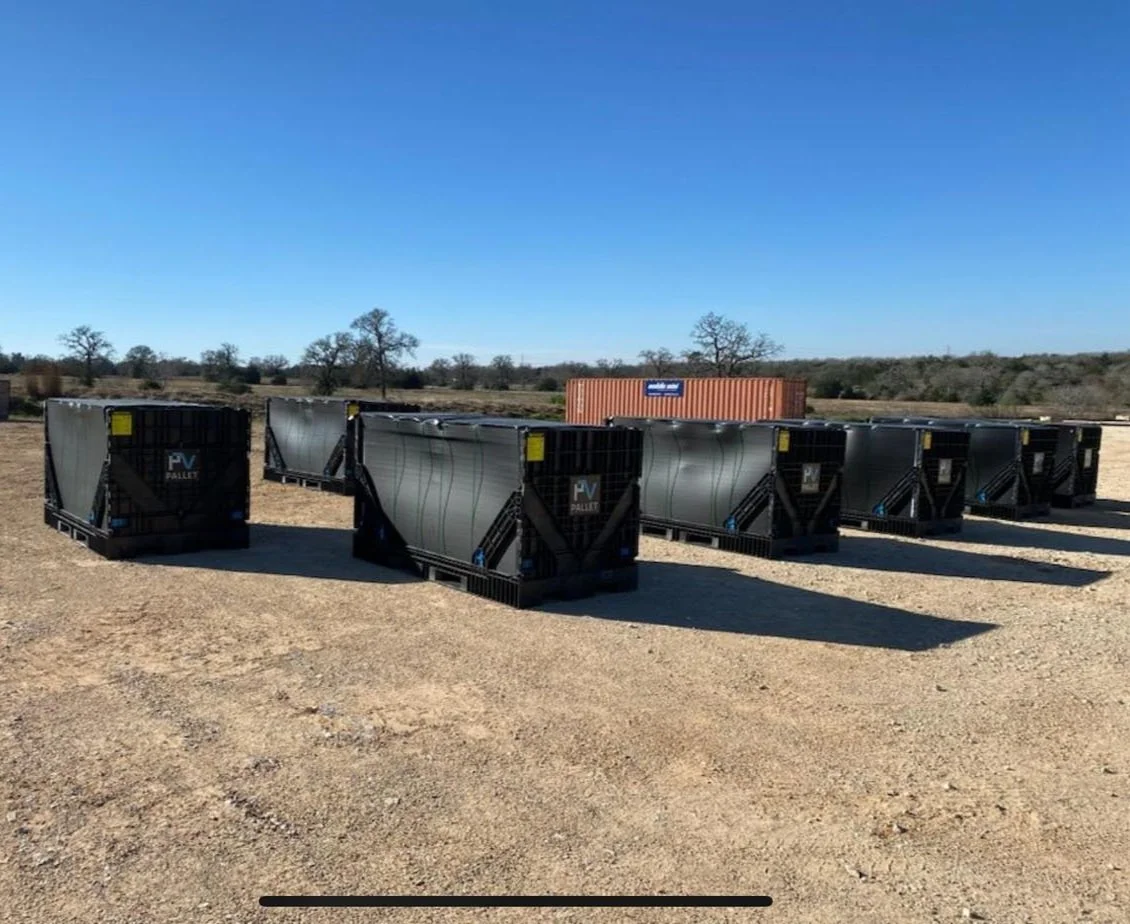
When an off-the-shelf pallet or bulk container isn't the right fit, we'll design something that is. Custom dunnage, molded inserts, or fully engineered containers built around your product, operations, and supply chain.
Frequently asked questions
-
A needs assessment of your current packaging and priority product line, a solution match across off-the-shelf and custom options, a workflow review of how packaging moves through your operation, and a program handoff with a clear recommendation.
-
Most projects use off-the-shelf reusable pallets, bins, or totes. Custom packaging — dunnage, molded inserts, or fully engineered containers — comes into play only when an off-the-shelf option isn’t the right fit. Our consulting process is how we tell the difference.sal.
-
It’s a standalone service — you don’t need to be enrolled in PVloop to work with us on packaging. That said, it can lead into a full PVloop reverse logistics program later, and it’s sometimes included as part of a PVloop program from the start.ransformation.
-
It’s customized, the same way PVloop is. Some clients just want a packaging recommendation and handle the rest themselves; others want help all the way through implementation and rollout. The four phases describe a typical engagement, but what’s actually included is scoped to what you need.
-
Both. We don’t stop at a recommendation — we help plan the rollout, including a trial run, a tracking approach, and the handling logistics, so the switch actually works in your operation.